

Vegetable
Tanning
vs
Chrome Tanning
Your wallet spent three months in a forest
before you bought it.
Before a piece of leather becomes a wallet, it must be tanned — a process that transforms raw animal hide into a stable, workable material. Without tanning, a hide would rot within days. There are two major methods. They produce leather that looks similar. It behaves entirely differently.
Chrome tanning takes 24 hours. Vegetable tanning takes weeks or months — sometimes six — using tannins extracted from tree bark, oak galls, and plant matter refined over centuries. Every Raonero wallet is made from vegetable-tanned, full grain leather. Here is why that matters.
Chrome Tanning:
Fast, Cheap,
and Everywhere
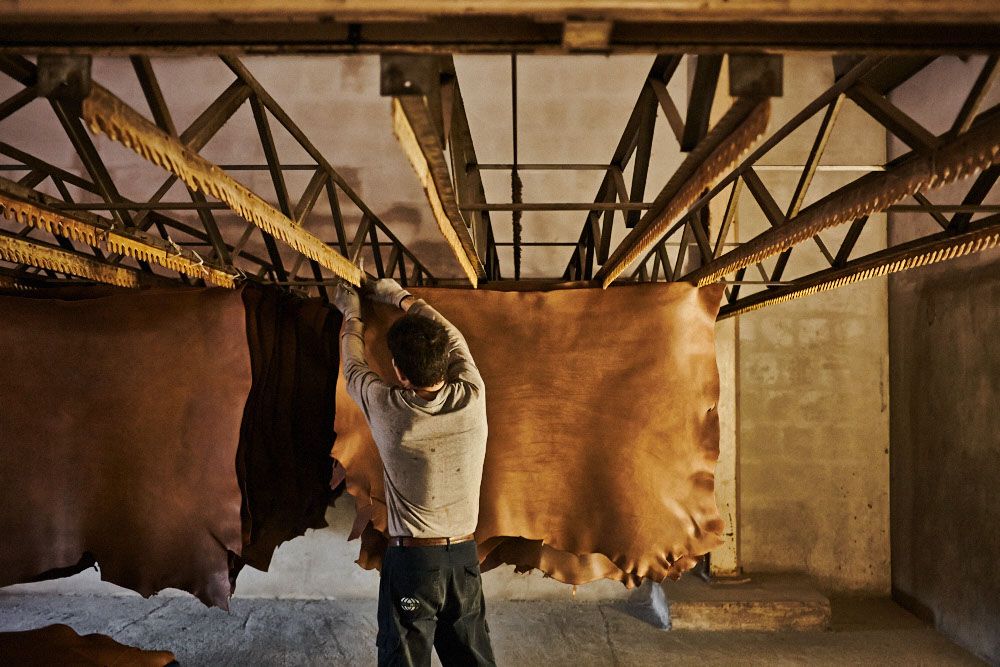
Chrome tanning was developed in the late 19th century and revolutionised the industry. Where vegetable tanning took weeks, chrome could be completed in under 24 hours. Chromium salts penetrate the hide rapidly, producing leather that is soft, stretchy, and consistent in colour.
The problems are threefold. First, it produces leather that does not develop a patina — the surface is sealed, preventing natural character from emerging. Second, the chromium chemicals are hazardous. Third, chrome-tanned leather is thinner and weaker — which is why chrome-tanned goods tend to fail faster.
Vegetable Tanning:
Slow, Traditional,
Extraordinary
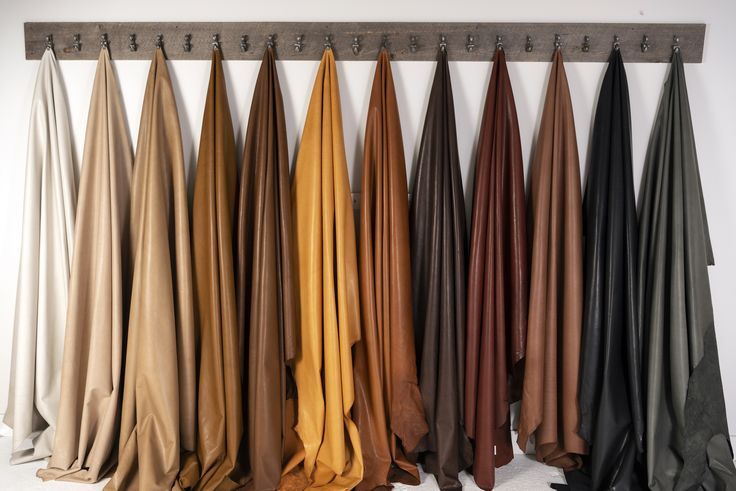
Vegetable tanning uses tannins — naturally occurring compounds found in oak, chestnut, and mimosa bark. Hides are submerged in a series of pits containing increasingly concentrated tannin solutions, each stage drawing tannins deeper into the fibres. The process takes 30 days to six months.
The resulting leather is firmer, denser, and full of natural character. Most importantly, vegetable-tanned leather is alive in a way chrome-tanned leather is not. Its fibres remain open and receptive to oils, waxes, and dyes. Over time, this openness is what allows a patina to develop.
Vegetable-tanned leather is alive in a way
chrome-tanned leather is not.
How It Affects
Your Wallet Over Time
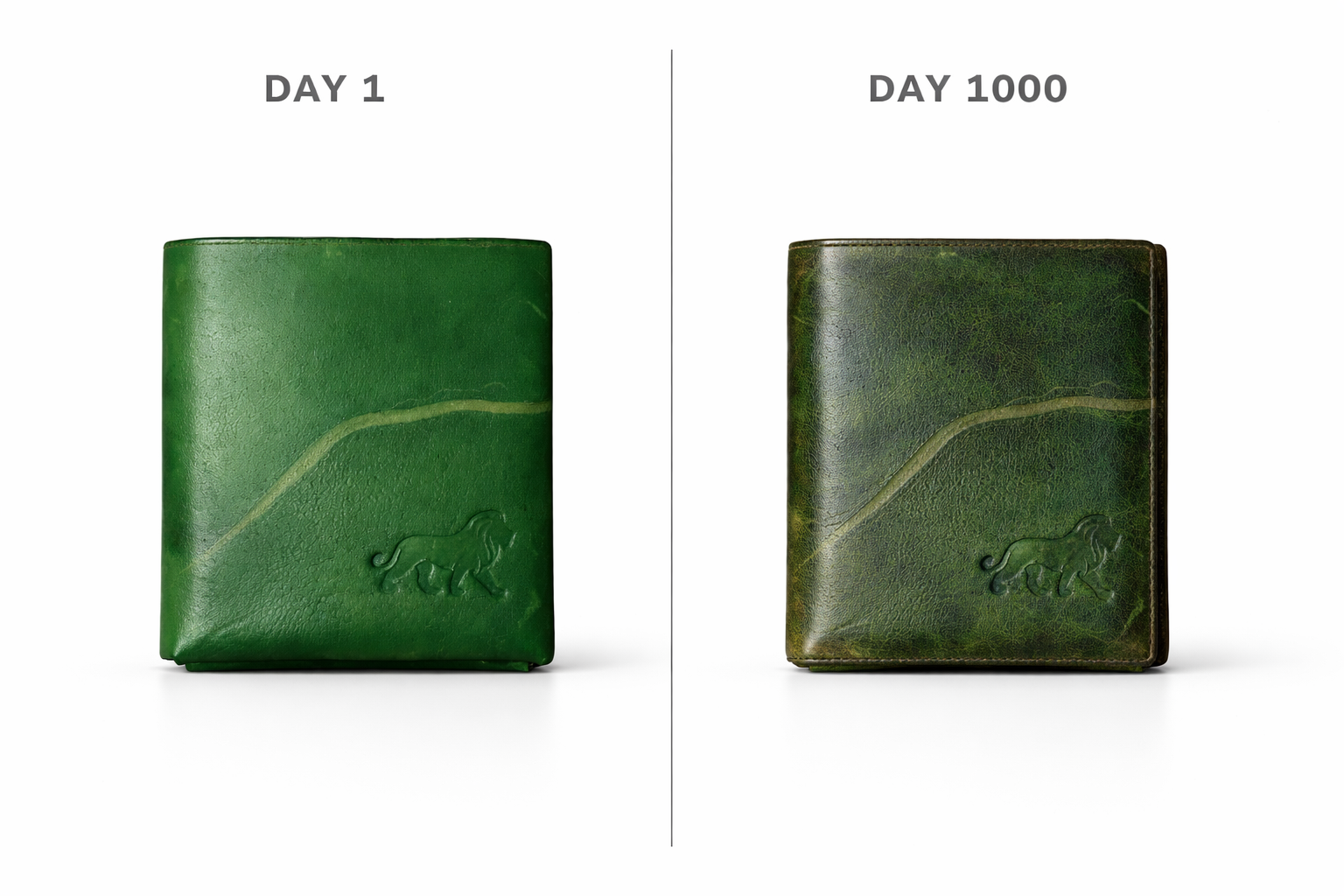
When you buy a vegetable-tanned leather wallet, you are buying something that will change. The first days are the stiffest — the leather has structure and resistance, like a new pair of denim jeans. As you carry it, it begins to soften and conform to your body and your habits.
At Raonero, we hand-dye our leather with alcohol-based dyes applied by brush rather than spray. The dye penetrates unevenly — in a way that, over time, becomes extraordinarily beautiful. No two wallets age the same. Yours will be unlike anyone else's.
Vegetable Tanning